Pest control in Scottsdale, AZ
The Census counts more than twelve thousand Scottsdale homes as seasonal, recreational or occasional-use property. A house that stands empty for months does not attract more pests than a lived-in one. It just has nobody in it to notice, and that turns out to be the expensive part.
Get a free quote
No obligation. We reply within 2 hours.
Almost all pest advice assumes somebody is home. In Scottsdale that is often wrong
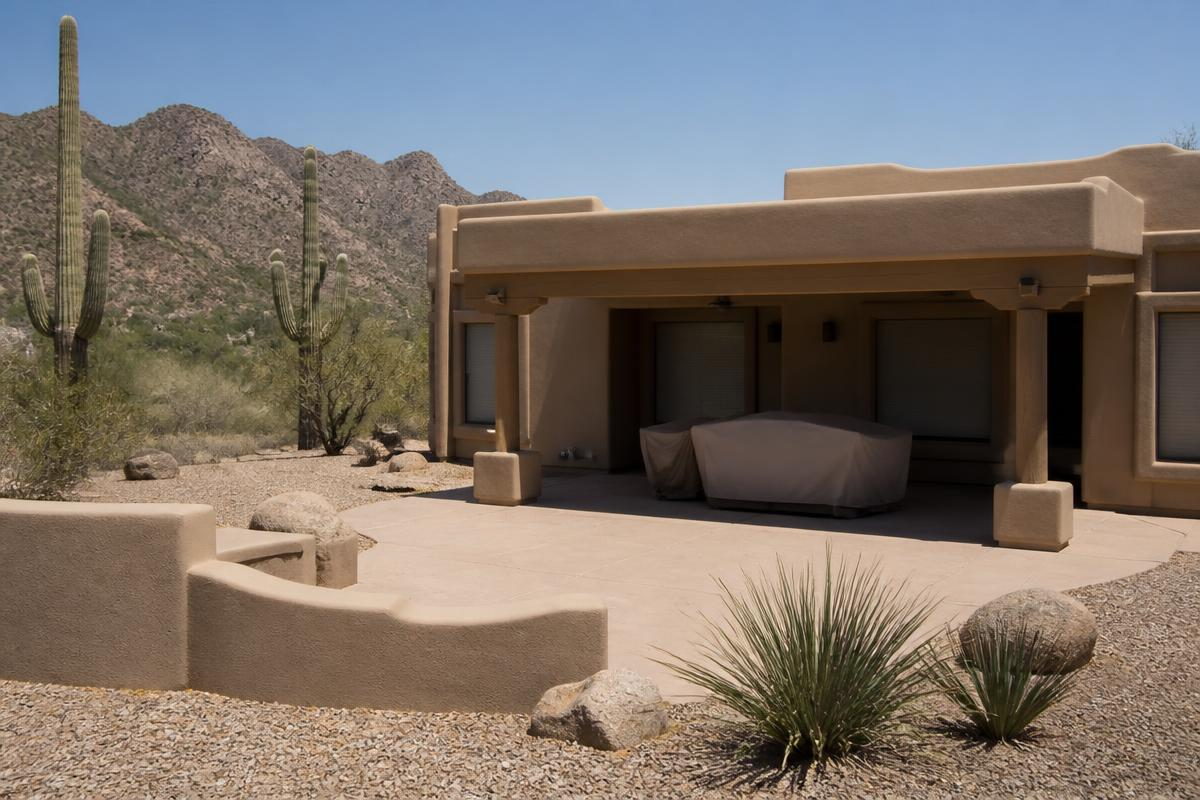
Read anything written about pest control in Phoenix, our own service pages included, and one assumption runs underneath all of it: a person lives in the house. Someone sees the roach at eleven at night, hears the scratching above the bedroom, opens the doors, runs the taps and walks past the side of the house on the way to the car. Scottsdale breaks that assumption more often than anywhere else in the Valley.
American Community Survey figures put more than twelve thousand Scottsdale housing units in the category the Census calls for seasonal, recreational, or occasional use. That one line covers three owners with the same problem: the winter resident who arrives in October and leaves in April, the second-home owner who visits a few weekends a year, and the licensed short-term rental that is full one week and empty the next. McCormick Ranch, Gainey Ranch, Scottsdale Ranch, DC Ranch, Grayhawk, Troon North and much of Old Town all carry a share of it.
The common assumption is wrong, though. An empty house is not more attractive to pests — in most respects it is less, with no food waste, no full bin and no dog bowl. What changes is the time between something arriving and anybody finding out.
An empty house does not report problems
This is the whole difference, and it is a detection problem rather than a pest problem. In an occupied house almost every pest issue is caught by accident within days, by someone who was not looking for it.
Consider how the ordinary catches happen. A large reddish-brown cockroach crossing a bathroom floor is noticed the night it happens, because somebody was awake in the room. Scratching in the roof void is picked up within a week, because someone is lying underneath it. A mud tube on a garage wall is found when a box gets moved for an unrelated reason. None of those are inspections. They are the by-product of a person being present, and they are why most Valley pest problems are dealt with while still small.
Remove the person and every one of those catches disappears. The rodent that came through a gap at the weep screed in May is not discovered in May but in October, when the owner flies back in, having had a whole Phoenix summer to breed. A termite colony that reached a garage doorframe in March has been feeding on it, out of sight, until somebody looks. The species are exactly the ones we deal with in occupied homes on the same streets. The difference is the stage they have reached by the time we are introduced.
Occupancy also does maintenance nobody thinks of as maintenance. Bins are emptied, cardboard leaves the garage instead of sitting in it, and every drain gets used, which keeps the water seal in its trap topped up — a detail we cover in full on the cockroach control page. The guest bathroom, the laundry standpipe and a garage floor drain are the three that reliably go dry.
So the honest goal for a seasonal property is not a stronger treatment. It is to put back what the house is missing: somebody looking. That is scheduled inspection rather than heavier chemistry, and it is why a plan for an empty Scottsdale house should be built around visit timing instead of product.
The two-week problem
Found by accident in an occupied house, usually within days. One visit, contained, and rarely more than a nuisance by the time it is dealt with.
The five-month problem
The identical arrival in a house nobody is in. Same species, same entry point, but discovered a season later with generations and damage behind it.
What actually fixes it
Not a stronger product. A pair of eyes on the property at sensible intervals, so the gap between arrival and discovery stops being months.
If you let the house out, Scottsdale has already put a one-hour clock on this
For an owner-occupier, how quickly a pest problem gets answered is a preference. For a licensed Scottsdale short-term rental it is a licence condition, and the city has been unusually specific about it.
A Scottsdale property let for stays under thirty days needs a city short-term rental licence, currently two hundred and fifty dollars a year, plus an Arizona transaction privilege tax licence listing Scottsdale as the region code, registration with the Maricopa County Assessor before anyone stays, and liability cover of at least five hundred thousand dollars. Within thirty days of the licence being issued, adjacent properties must be notified in writing with the licence number, the address, and the name, address and twenty-four-hour telephone number of the emergency point of contact. Occupancy is capped by the zoning ordinance at six adults plus dependent children.
The emergency contact requirement is worth reading twice. The code makes it a civil offence for a designated emergency contact, on request from public safety personnel, to fail to attend the property or to fail to arrive within one hour. A named individual, a phone answered around the clock, and sixty minutes.
A pest complaint from a guest at nine in the evening is precisely what that machinery exists for, and it is the case most owners have not thought through, because the paperwork is filed once and then forgotten. Being able to reach someone who will genuinely come out is not a convenience to add later. It is the standard you have already told your neighbours and the city you would meet.
Bed bugs deserve a mention here, because they arrive with people rather than from the desert, which makes any property with regular turnover a different risk from the house next door. Verification visits inside a changeover window are described on bed bug control, and multi-property reporting on commercial pest control.
Closing a Scottsdale house up for the summer
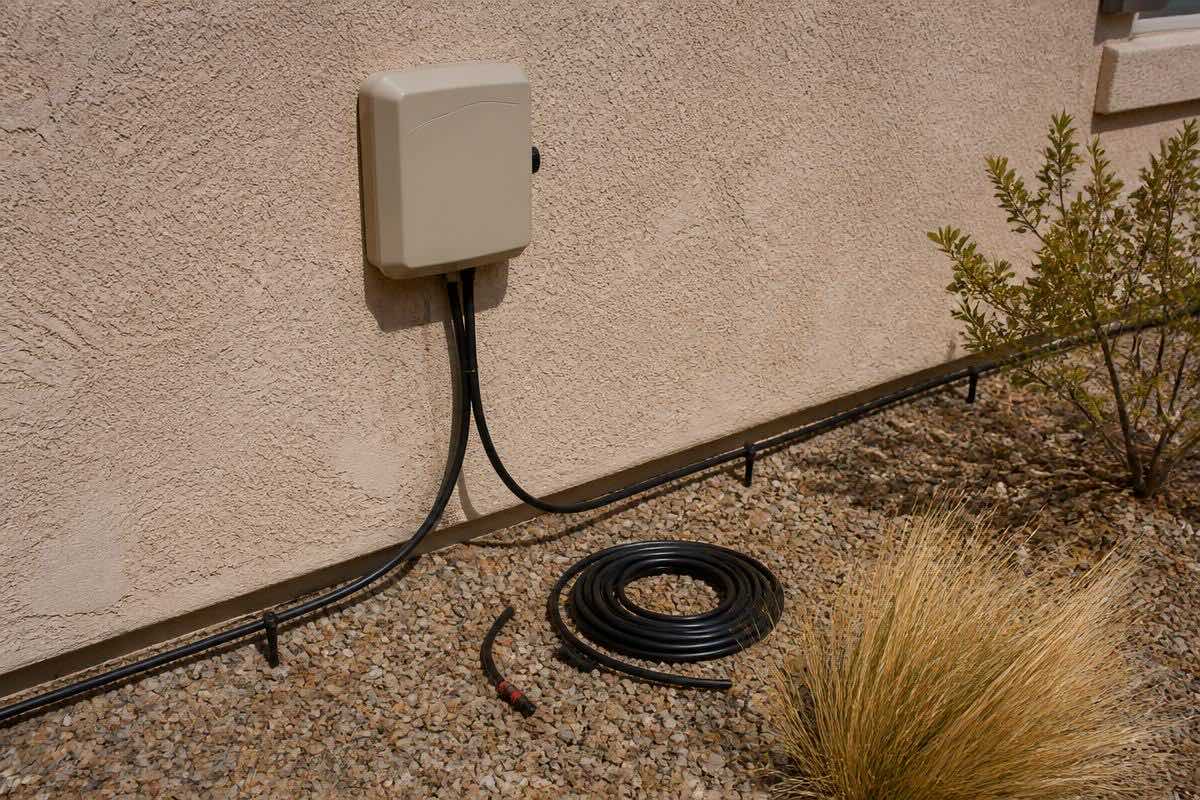
Most of what protects an empty house happens in the twenty minutes before the door is locked, and almost none of it involves a pest control company. This is the list we would give a winter resident leaving in April.
Start with water, because in a Phoenix summer water is the scarce thing and a property that supplies it becomes the address everything walks to. Drip irrigation left on a timer for five months waters an empty garden and hydrates whatever lives in it; a slow-dripping hose bib does the same smaller. A pool left unattended becomes a breeding site — mosquito control covers what standing water produces here.
Then food and harbourage — not the pantry, which is usually cleared, but pet food in the garage, birdseed, grass seed, and cardboard stacked against a wall. Cardboard is shelter and, for termites, food. All of it leaves with you or goes into a sealed hard container.
Then the drains, which take two minutes. Run every tap and shower for fifteen seconds, flush every toilet, and pour a jug of water down the laundry standpipe and any floor drain. The guest bathroom nobody used before you left is the one that will be dry when you get back.
Finally, access: leave a key with someone local, or with us. A scheduled visit is worth nothing if it stops at the gate, and a survey that cannot get into the garage is not a survey.
The first day back, in order
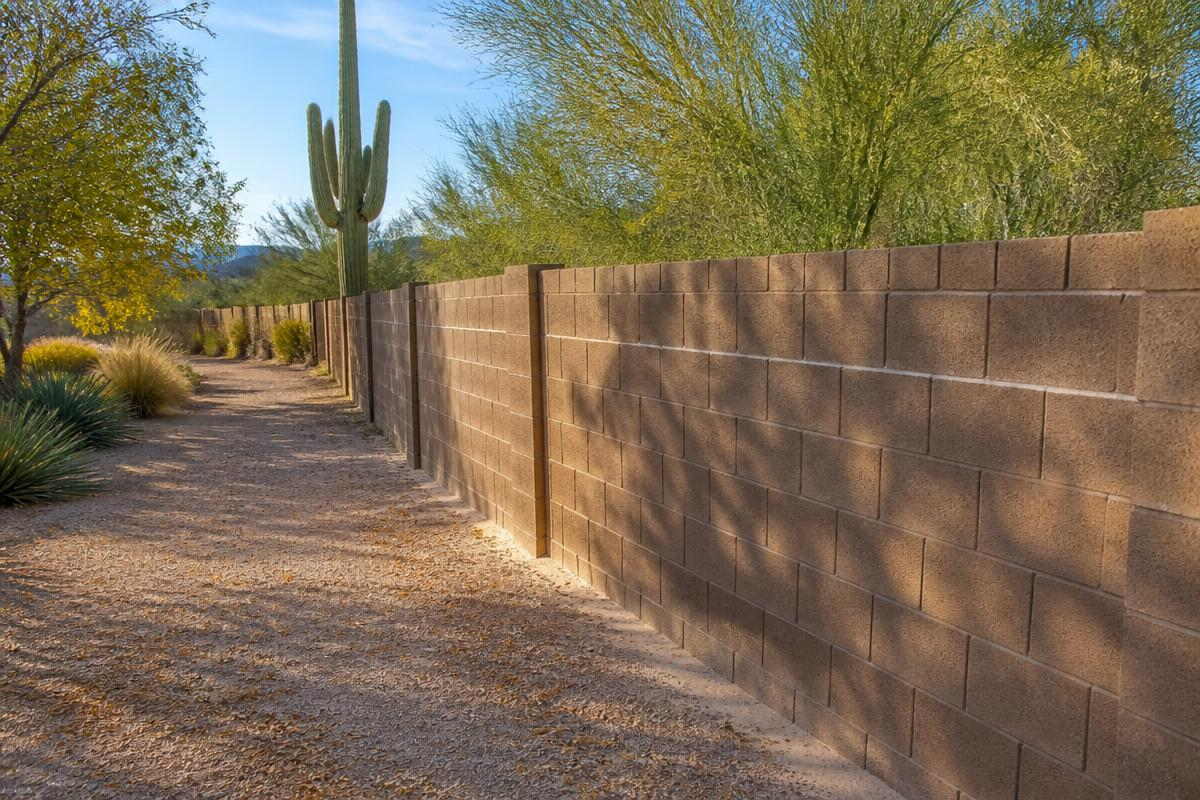
Do the outside before you unlock anything, in daylight. Walk the perimeter and look at the base of the walls: gnawing at the weep screed, a run worn through decomposed granite along a wall line, mud tubes anywhere concrete meets stucco. Check the roofline and roof vents from the ground, and look in the meter box and irrigation valve boxes, which stay cooler than the yard.
Then the garage, which has the imperfect door seal, the most stored material and the least traffic. Pull things away from the walls rather than looking at the fronts of them; droppings, chewed packaging and nesting material sit in the corners behind stacked items.
Inside, go to the quiet rooms first — guest bathrooms, spare bedrooms, the laundry — and run every drain before anything else. If one of them smells and the room is otherwise fine, that is the trap gone dry and nothing worse. What you do find is worth reading rather than reacting to, because a live problem and an old one are not always easy to tell apart. Our pest identification guide covers droppings and damage patterns from a photograph. Send us the picture — that is a five-minute conversation, not a call-out.
What we actually do on a Scottsdale property
On an occupied Scottsdale home the first visit is the standard one: a perimeter survey, entry points and conditions, written up as a scope with a figure attached before you commit to anything. In north Scottsdale against the preserve edge the dominant issue is what arrives from open desert rather than occupancy — scorpion control and the service areas page cover why that boundary behaves as it does.
On a seasonal property the difference is scheduling rather than product. Visits are timed to the empty months instead of a fixed quarterly calendar, which for most winter residents means work happening while they are elsewhere, with a report they can read remotely. What those visits buy is early detection, not heavier treatment.
Rodent work is the most common call on properties like this, because a house with no traffic is a quiet one; the survey runs roofline to weep screed as it does anywhere, and is described on the rodent control page. Termite work follows the standard Valley slab approach — termite inspection for scope and cost, termite control for what happens after something is found. For a licensed rental the only reliable window is between guests, and that has to be booked rather than fitted in.
What changes the price in Scottsdale
Access does most of it, which is not the usual answer. On a property nobody lives in, the biggest variable is whether we can get in — through the gate, into the garage, into the rooms that matter. A visit that turns into a locked-gate call and a rescheduled return costs twice, and it is the most avoidable charge on this page.
Interval is the second factor, and it works in your favour. A property seen three times across an empty summer is checked while problems are small, and small problems are cheap. Seen once in October it becomes a discovery visit, and discovery visits find whatever the season produced. Perimeter length matters as everywhere: a large north Scottsdale lot against open desert is a longer walk than a McCormick Ranch patio home. On the older side of the Valley it is building age rather than lot size that drives survey time, which the Glendale page works through.
Figures we already publish: inspection pricing on termite inspection and bed bug work on bed bug control. Anything else waits for the survey. On a property shut for months we would rather open it up and look than name a figure we end up correcting on the day. Further north again the ground itself changes: Anthem sits the better part of a thousand feet higher, which moves the treatment calendar rather than just the price. The same word, rental, means something very different a few miles south: pest control in Tempe deals with units that are always occupied but by different people each year, rather than ones standing empty.
Scottsdale pest control questions
I am away six months a year. How often should the house be checked?
Two to four visits across the empty period, and the reasoning is detection rather than treatment. Each visit shortens the gap between something arriving and somebody finding it, so the interval matters more than what gets applied. Two visits across a five-month absence turn a worst case of five months into one of about eight weeks.
Do I need treatment while nobody is in the house?
Often not, and we will say so. An empty house offers less food and water than an occupied one, so the case for routine product is weaker, not stronger. What it needs is somebody looking, plus exclusion on any gap found. A visit that produces nothing but a written note that nothing was found has done its job.
Why does the guest bathroom smell when I get back?
Almost always a dried-out drain trap rather than a pest problem. The U-bend under every fixture holds water that seals the room off from the sewer line, and in Phoenix that water evaporates quickly in a fixture nobody uses. Pour a jug of water in and the smell goes. The full explanation, including why it matters for cockroaches, is on cockroach control.
I run a licensed short-term rental. Can you attend during a stay, or work between guests?
Both, and it is worth arranging before you need it rather than during a stay. Tell us the property is a licensed rental, agree access in advance, and make sure whoever is named as your emergency contact knows who to call. For changeover work, tell us the gap and we will say honestly what fits inside it — some work cannot be compressed, and it is better to know before a listing goes back up.
Is north Scottsdale different from the rest of the city?
Yes, but for reasons unrelated to occupancy. Properties on the preserve boundary take a continuous supply of scorpions and other desert species from open ground, which is a pressure question rather than a detection one — covered on scorpion control and service areas. A seasonal house on that boundary has both at once.
Do you cover all of Scottsdale?
Yes, from Old Town and south Scottsdale up through McCormick Ranch, Scottsdale Ranch and Gainey Ranch to DC Ranch, Grayhawk and Troon North. When you call, say whether the house is lived in year-round, seasonal or let out — in this city that shapes the visit more than the address does.
Related services
Rodent Control
The most common finding on a house that has been quiet for months. Survey, exclusion and what a gap at the weep screed actually allows. Rodent control.
Cockroach Control
Includes the full account of dried-out drain traps — the single most predictable thing to go wrong in an unoccupied house. Cockroach control.
Bed Bug Control
The one problem that arrives with people, which makes a property with guest turnover a different risk from the house next door. Bed bug control.
Scorpion Control
For north Scottsdale against the preserve boundary, where the issue is arrivals from open desert rather than anything to do with occupancy. Scorpion control.
Commercial Pest Control
Programmes and reporting for owners running more than one Scottsdale rental, where the paperwork matters as much as the visit. Commercial pest control.
Pest Identification Guide
Work out what you found on your first day back, from a photograph, before deciding whether it needs a visit at all. Identify what you found.
Tell us whether anyone is living in it
Year-round, seasonal, or let out to guests. In Scottsdale that one detail decides the visit more than the neighbourhood does, and you will have the scope and the cost in writing before we book anybody.