Termite inspection in Phoenix, and what it actually costs
Most pages will not tell you the price. A termite inspection in the Phoenix area generally runs $75 to $150, with around $130 being typical and larger or harder-access properties reaching $250 or more. Here is what that buys, what the inspector checks, and how the WDIIR report works.
Get a free quote
No obligation. We reply within 2 hours.
What a termite inspection costs in Phoenix
This is the question almost every page on this subject avoids, so it goes first. A standalone termite inspection in the Phoenix area generally falls between $75 and $150, with something around $130 being typical for an average single-family home. A larger property, a difficult roof line, a full crawl space or an inspection that has to be documented for a lender pushes it to $150 and upwards, and past $250 on the bigger jobs.
Those are guide figures for the Valley rather than a fixed tariff, and the honest answer is that the number depends on the building more than on the company. What follows is what moves it, so you can tell whether a quote is reasonable before you accept it.
$75 – $150
A standard inspection of an average single-family home. Visual, non-destructive, covering the accessible interior, the perimeter and the garage.
Around $130
What a typical Phoenix inspection lands at once the property is a normal size and the inspector can reach the areas that matter.
$150 – $250+
Larger or multi-storey properties, difficult access, extensive outbuildings, or a documented report prepared for a lender or escrow.
What actually moves the price
Four things do most of the work. None of them are negotiable in the sense of haggling, but all of them are worth knowing before you ring round, because they explain why two quotes on the same street can differ by fifty dollars. An older house that has been extended more than once takes longer, because every addition is another junction to look at. Our Sun City page explains why that is the ordinary case on a street built sixty years ago.
Size and footprint
Inspection is priced on ground covered, not on bedrooms. A sprawling single storey takes longer than a compact two storey with the same floor area.
Access
A clear perimeter and an empty garage wall are quick. Stored boxes, dense planting against the stucco and a locked side gate all add time.
What it is for
A report written up for a lender or escrow carries paperwork a routine look-round does not, and is usually priced accordingly.
Outbuildings
Detached garages, casitas, workshops and patio structures are separate structures and are usually quoted separately.
Free inspection or paid report — they are not the same thing
Almost every company in Phoenix advertises a free termite inspection, and the offer is usually genuine. It is worth understanding what it is, though, because a free inspection and a paid WDIIR are two different products and they are not interchangeable.
A free inspection is a sales visit. Someone competent walks the property, looks for evidence, and tells you whether they think you have a problem and what they would charge to treat it. That is genuinely useful if you have found mud tubes and want to know where you stand. What you do not get is a signed document, and that is the part escrow needs.
A paid inspection produces a report. It is written, it is dated, it is signed by a licensed applicator, and it states what was found, what was not accessible, and what conditions on the property make termites more likely. A lender will not accept a verbal assurance from a free visit in place of that.
Free inspection
A visual check with a verbal answer and a treatment quote. Good for peace of mind or a suspected problem. Not a document.
Paid inspection and report
The same visual check plus a signed, dated written report. This is what a lender, an escrow officer or a buyer asks for.
The practical test
If someone other than you needs to see the result, you need the paid report. If you just want to know, the free visit answers it.
What the inspector actually does
A termite inspection in Arizona is visual and non-destructive. Nobody opens up walls. The value is in knowing where to look, and in the desert that means the places where soil, water and timber meet, because desert subterranean termites cannot survive exposed and have to build their way to the wood.
On an average home it takes somewhere between thirty and sixty minutes. Larger properties, crawl spaces and awkward roof lines take longer — the older Glendale housing stock is the clearest example, where a raised floor means there is a whole area under the house to survey, and the inspector should tell you at the start if anything is going to be unreachable rather than leaving it out of the report silently.
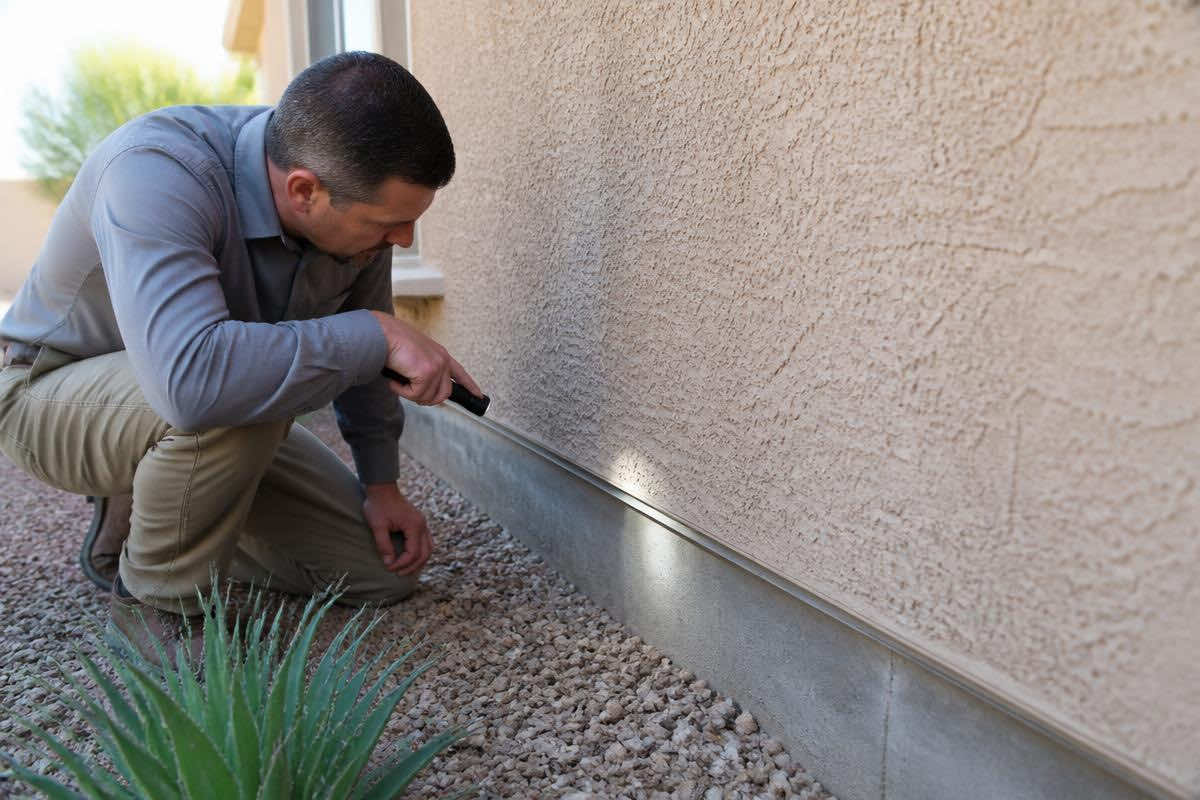
The perimeter
The stem wall and weep screed, expansion joints, patio and driveway edges, and anywhere stucco runs down to soil level.
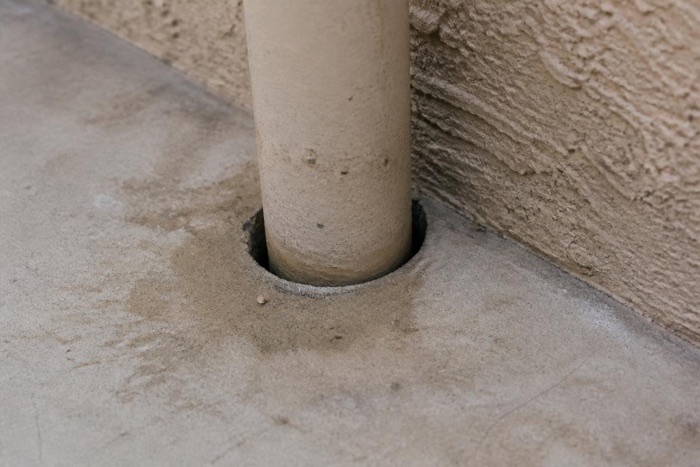
Penetrations
Every point where a pipe, conduit or duct passes through the slab or the wall. These are the routes that get missed.
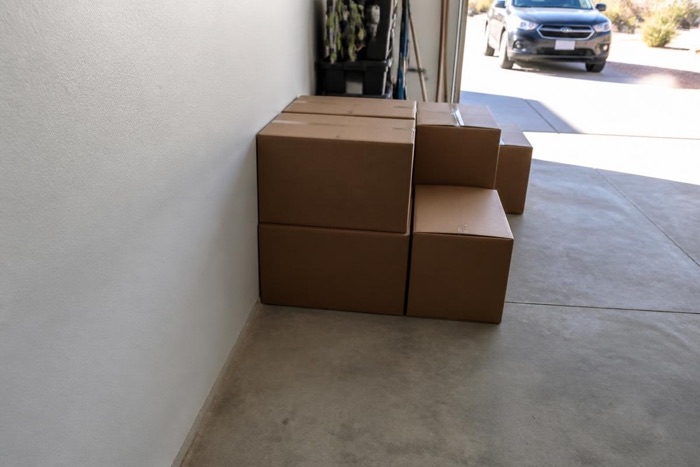
The garage
Usually the most productive room in the house. Bare block, exposed slab edge and timber stored against a wall.
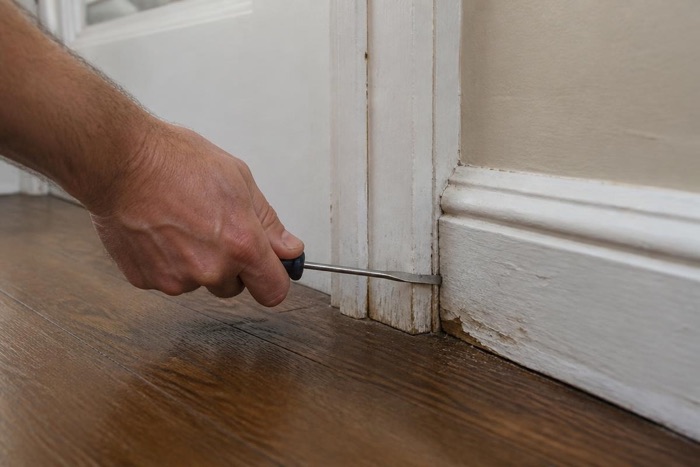
Interior timber
Skirting, door frames, window casings and anything that sounds hollow when tapped. Bathrooms and laundries first, because they leak.
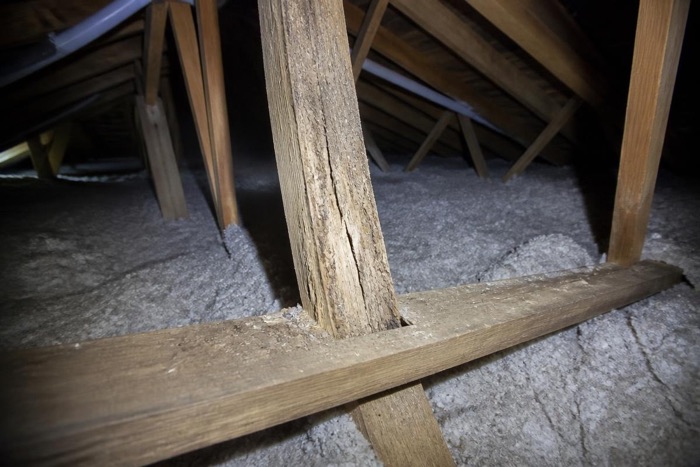
Attic and roof timbers
Where accessible. Drywood termites work above ground and leave frass rather than mud, so this is a different search to the one below.
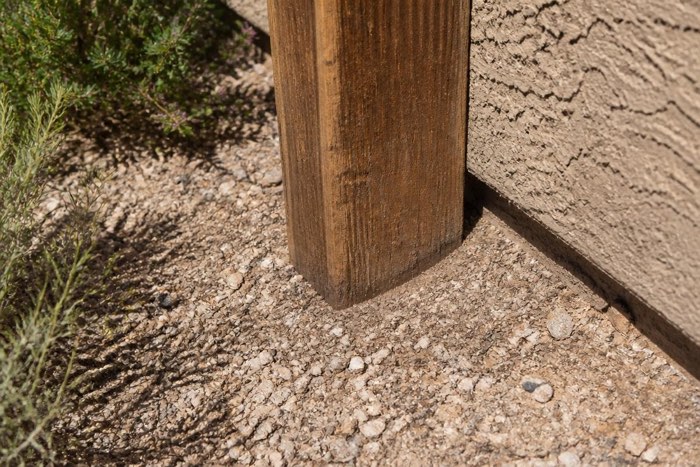
Conducive conditions
Irrigation spraying the wall, mulch banked against stucco, timber in ground contact, a leaking hose bib. These go in the report too.
The WDIIR, and when Arizona needs one

WDIIR stands for wood-destroying insect inspection report. It is the written outcome of the inspection, and in Arizona it is the document that turns up in property transactions. Arizona sales commonly involve one and lenders frequently ask for it, though it is not automatic on every deal — the sensible move is to ask your agent or lender early rather than discovering the requirement in the final week.
One thing worth being clear about: a report is a statement of what was visible on the day. It is not a warranty, it is not a guarantee that the property is termite-free, and it does not cover areas the inspector could not reach. A good report says plainly what was inaccessible, and that section is the one worth reading.
Who can issue it
A licensed applicator. A general home inspector can flag something suspicious but cannot issue the report itself.
How long it stands
Lenders and escrow companies want a report dated close to closing. Ask yours for the exact window rather than assuming yours matches the last one.
What it does not do
It is not a warranty and not a clean bill of health. It records visible evidence on that date, nothing more.
What happens if it comes back positive
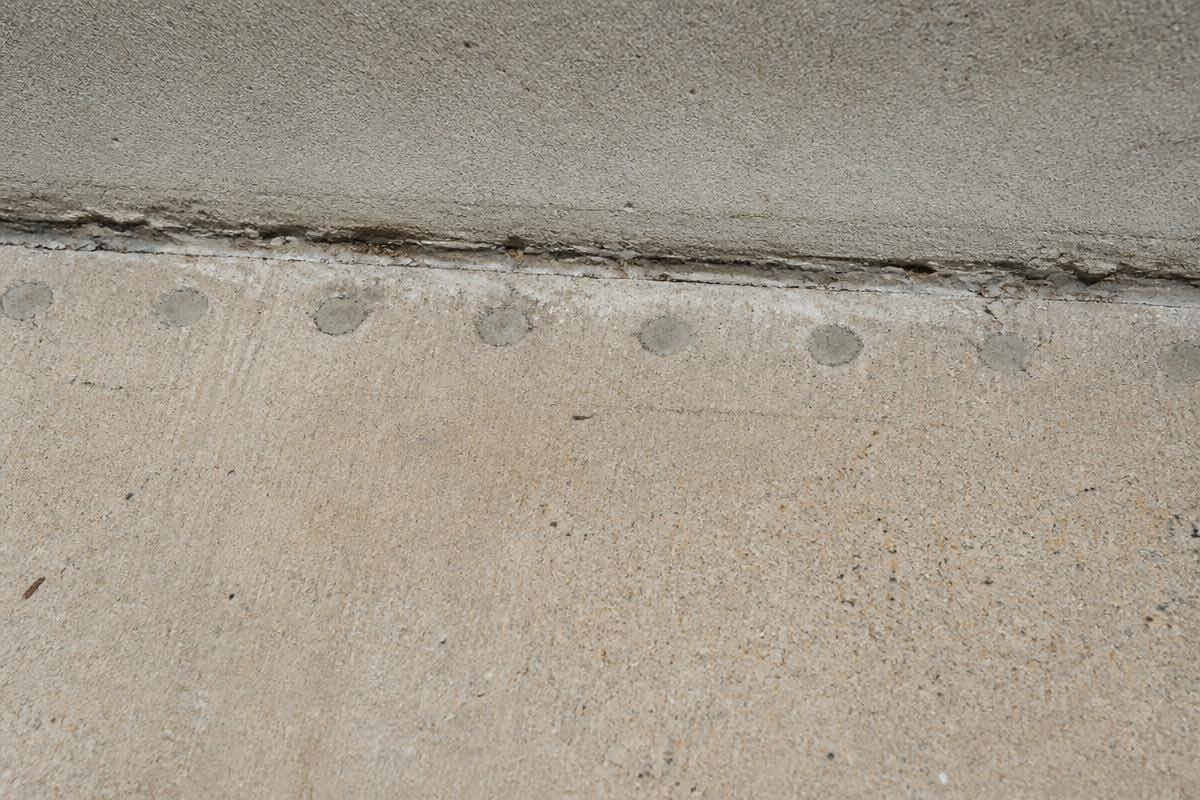
A report showing evidence is not the disaster people expect, and in a Phoenix sale it is common enough that agents on both sides have seen it many times. What matters is which of three things the report is describing, because they lead to very different conversations.
Live activity means an active infestation and a treatment is needed now. Evidence of previous activity with no live termites usually means the property was treated at some point and the old damage is still visible — that is a repair question, not a treatment one. Conducive conditions mean nothing has happened yet but the property is inviting it, and the fix is usually drainage, mulch or timber contact rather than chemistry.
In a sale, who pays is negotiated rather than fixed. It is commonly handled as a seller cost because the buyer wants a clear report before closing, but that is convention and not a rule, and it is worth agreeing it with your agent before the inspection rather than after. If treatment is needed, our termite control page explains the two routes and what each one costs.
Live activity
Termites present now. Treatment before closing, and the report reissued or supplemented once the work is done.
Previous activity
Old workings, no live termites. Usually a repair and disclosure question rather than a treatment one.
Conducive conditions
Nothing found, but the property invites it. Fix the moisture and the timber contact and the finding goes away.
How to prepare, and what it saves you
Preparation is not fussy here, and it genuinely affects both the price and the usefulness of the report. Every area the inspector cannot reach gets listed as inaccessible, and an inaccessible area is one nobody can make a claim about later. If you would rather work out what you are looking at first, termites in Arizona sets out what the mud, the pellets and the swarm timing each tell you.
Clear the garage wall
Move stored boxes, timber and equipment away from the base of the walls. This is where evidence shows first and where it is most often hidden.
Open the access points
Unlock side gates, clear the attic hatch, and move anything blocking a crawl space entry or a water heater cupboard.
Cut back the planting
Pull mulch, gravel and shrubs back from the stucco so the inspector can actually see where the wall meets the soil.
Have the history ready
Any previous treatment paperwork, warranty documents or a treatment sticker in the garage. It changes how findings are read.
Termite inspection questions we get asked in Phoenix
How much is a termite inspection in Arizona?
For a standard single-family home in the Phoenix area, generally $75 to $150, with around $130 being typical. Larger properties, difficult access or a report prepared for a lender run from $150 up past $250. Those are guide figures rather than a fixed price — the building decides more than the company does, so ask for the number before booking rather than after.
Is a termite inspection free in Phoenix?
Usually yes, if what you want is someone to look and tell you. Nearly every company here offers a free inspection, and it is a genuine offer rather than a trick. What it does not include is the signed written report, so if a lender, an escrow officer or a buyer needs to see the result, you are paying for the report rather than the visit.
How long does a termite inspection take?
Thirty to sixty minutes for an average Phoenix home. Longer if the property is large, has a crawl space, has extensive outbuildings, or if the garage and side yard are packed and have to be worked around. Nobody needs to be home for the exterior, but interior access shortens it considerably.
Who pays for the termite inspection in a home sale?
There is no rule, which surprises people. It is a negotiated line like any other, and in the Valley it tends to land with whichever side wants the certainty most — often the seller, sometimes split, occasionally the buyer on a cash deal with no lender involved. Settle it while the contract is being written. Leaving it until the inspection is booked is how it turns into an argument over a hundred dollars.
What are the first signs of termites in a Phoenix home?
Pencil-width mud tubes running up a stem wall, block wall or the inside of a garage. Skirting or door frames that sound hollow when tapped. Paint that looks faintly blistered or rippled from underneath. A pile of identical discarded wings on a sill after a warm night. There is more on identification on our pest identification guide.
Can a home inspector do the termite inspection?
They can tell you they have seen something that concerns them, and a good one will. What they cannot do is issue the wood-destroying insect inspection report itself, which has to come from a licensed applicator. If your lender is asking for a WDIIR, a general home inspection will not satisfy it.
Do I need an inspection if the house was treated a few years ago?
For a sale, almost certainly, because the report has to be current. For peace of mind it depends on what was done and whether any warranty is still live. Dig out the paperwork first — if there is an active agreement, the company that holds it may be obliged to inspect already.
What if the inspector cannot get into part of the house?
It gets recorded as inaccessible, and that wording matters. An inaccessible area is one nobody has inspected and nobody can be held to later, so if it is somewhere that matters, it is worth clearing it and having that section done properly rather than leaving the gap in the report.
Related services
Termite Control in Phoenix
What treatment involves once the report says you need it, the two routes available, and what a warranty actually covers. Termite control.
Pest Identification Guide
Mud tubes, frass, discarded wings, and how to tell a termite swarmer from a flying ant before you call anyone. Identify what you found.
Commercial Pest Control
Inspections and ongoing programmes for offices, restaurants, rentals and managed property. Commercial pest control.
Need an inspection, or a report for escrow?
Tell us the property and your closing date if you have one. You get the price before we book, the written findings after, and no obligation to take any treatment we quote.