Restaurant pest control in Phoenix, and the inspection behind it
Kitchens do not get pest problems because they are dirty. They get them because they are warm, wet, open late and take deliveries. Here is what a Maricopa County inspector actually looks for, where pests really live in a commercial kitchen, and how a programme is built around a room that cannot close.
Get a free quote
No obligation. We reply within 2 hours.
The Maricopa County grade card, and the choice most owners do not know they have

Maricopa County has run a letter grade system for food establishments since October 2011, and the part that surprises people is that it is voluntary. Before an inspection begins, the Environmental Services inspector asks the person in charge whether the facility wants to take part. Say yes and the visit produces an A, B, C or D. Say no and the report carries an NP instead, meaning not participating.
The inspection itself happens either way. Declining the grade does not reduce the scrutiny, change the violations recorded, or keep the report off the county website. What it changes is whether a letter ends up attached to your name in a form customers and journalists can scan quickly. Posting the card in the window is optional even for participants.
That matters for pest control because a pest finding is one of the fastest ways for a good kitchen to lose a letter it would otherwise have earned. A programme that is running properly, documented, and able to show what was found and what was done about it is the difference between a violation that is corrected on the spot and one that follows you into a reinspection.
Participating
The inspector assigns A, B, C or D from what is found on the visit and how violations are handled while they are there.
Not participating (NP)
The inspection runs exactly the same and the report is still public. Only the letter is withheld.
Posting is optional
Even with a grade, displaying the card is your choice. Plenty of A-grade kitchens never put it up.
Where it is published
Results go to the county Environmental Services restaurant search, which is where reporters and customers look.
What a pest finding actually does to an inspection
A pest finding is not one thing, and treating it as a single catastrophe is why owners panic about the wrong details. What an inspector does with it depends on what is genuinely there, where it is, and whether anything can be put right while they are still standing in the room.
Live insects in a food preparation or storage area are the serious end. Old evidence with nothing live is a different conversation, usually about whether the problem was dealt with and whether anyone wrote it down. Conditions that invite pests without any pest being present sit somewhere in between, and they are the ones a good programme quietly removes before anyone comes to look.
The practical lesson from watching this happen is that documentation changes the tone of the visit. An owner who can produce a dated record showing the sighting, the treatment and the follow-up is describing a managed situation. An owner who says it has never happened before, in a kitchen where it clearly has, is not.
Live in a food area
The serious finding. Expect it to drive the outcome of the visit and, depending on severity, a return visit.
Evidence without live pests
Droppings, casings or old damage. The question becomes when it happened and what was done about it.
Conducive conditions
Standing water, gaps at penetrations, cardboard on the floor, a drain nobody cleans. No pest yet, but an invitation.
Corrected on the spot
Some things can be dealt with while the inspector is there. Being able to do that is worth having a plan for.
Where pests actually live in a commercial kitchen
Almost nothing lives in the middle of a clean floor. A commercial kitchen offers warmth, water, grease and darkness in a dozen places that are hard to reach and easy to forget, and that is where the population sits between service visits. Knowing the list is most of the job.
German cockroaches, the species that genuinely breeds indoors, want warm and tight. The compressor bay and motor housing of a reach-in cooler is close to ideal, because it is warm, dark, greasy and almost never opened. So are the hollow legs and door tracks of a dish machine, the void behind a wall-mounted hand sink, and the gap between two pieces of equipment on the line that nobody can get a mop into.
Small flies work differently. They breed in the film that builds inside a floor drain, in the drip tray under a soda tower, in the drain line of an ice machine, and in a mop sink that never fully dries. Spraying the air above them achieves nothing at all, which is why a fly problem that keeps returning is nearly always a drain problem that was never treated. Our guide to how long flies live and where maggots come from explains why the adults are the least useful thing to target.
Rodents come in from outside and settle in the dry store, behind shelving on the wall side, and in the void above a suspended ceiling. Corrugated cardboard is both harbourage and nesting material, which is why the delivery that comes in on pallets matters more than most staff realise.
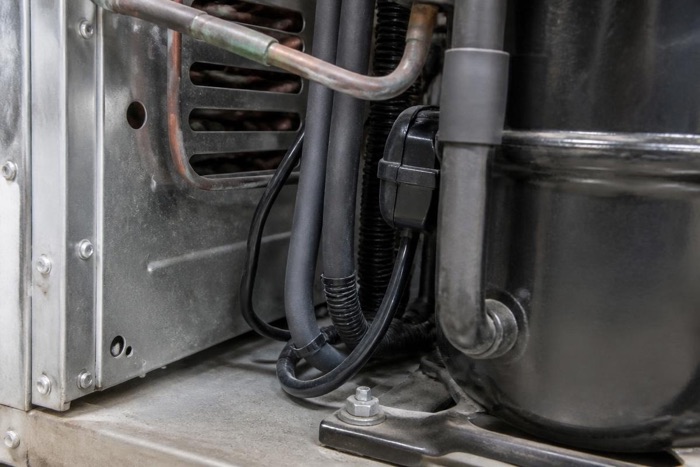
Cooler and freezer motor housings
Warm, dark, greasy and rarely opened. The single most productive place to find German cockroaches in a Phoenix kitchen.
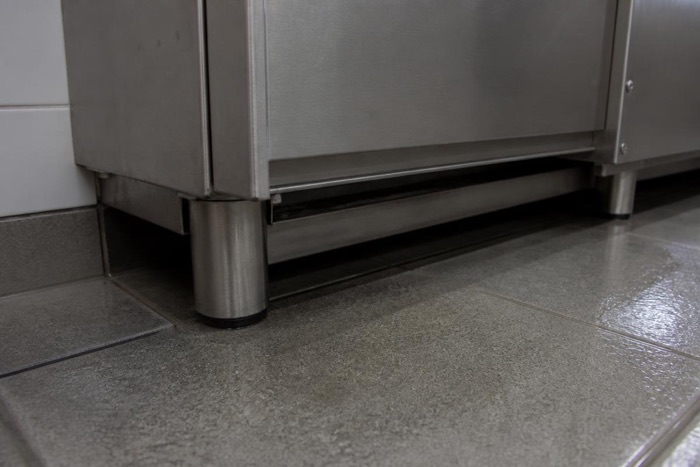
Dish machine legs and tracks
Hollow, wet and hot. Harbourage that survives every floor clean because nothing reaches inside it.
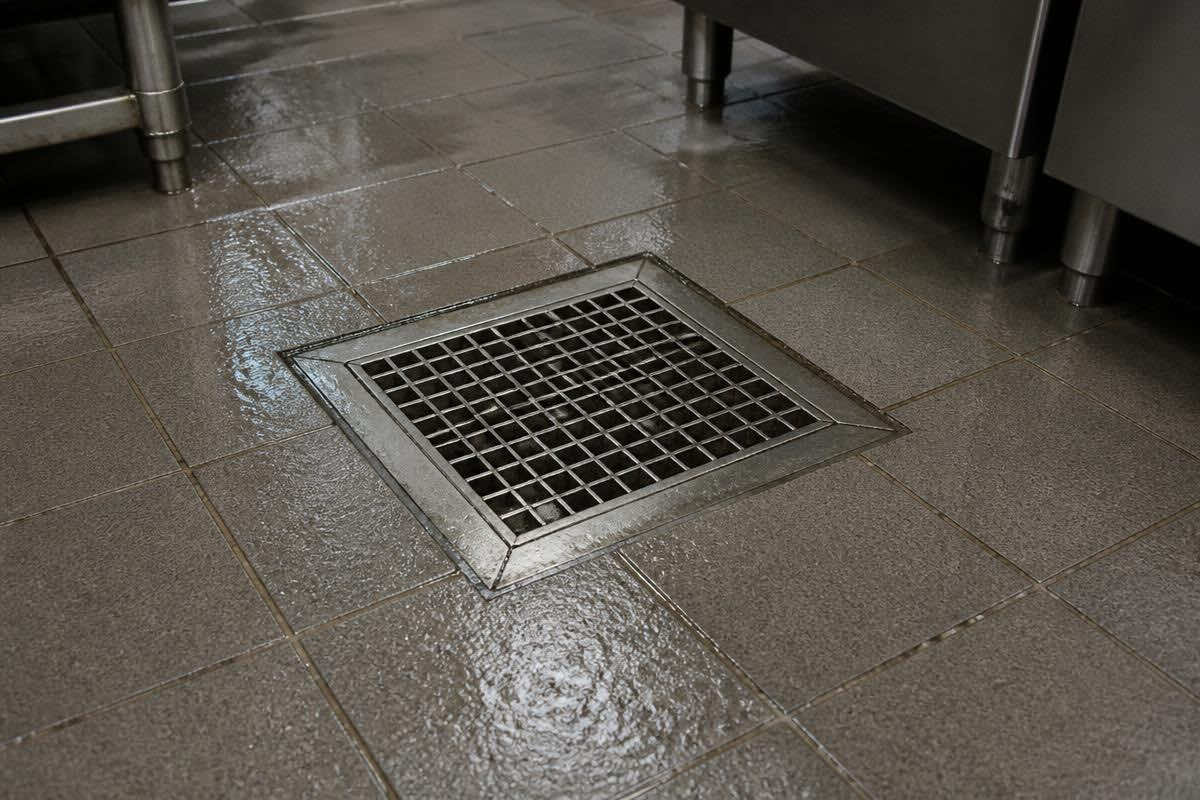
Floor drains and the mop sink
Where small flies actually breed. The film inside the drain is the nursery, not the air above it.
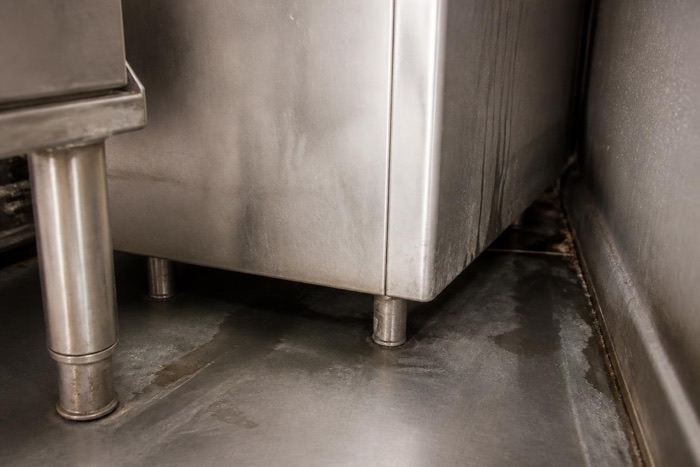
Soda towers and ice machines
Drip trays and drain lines hold sugar and moisture continuously. A permanent breeding site if nobody strips them down.
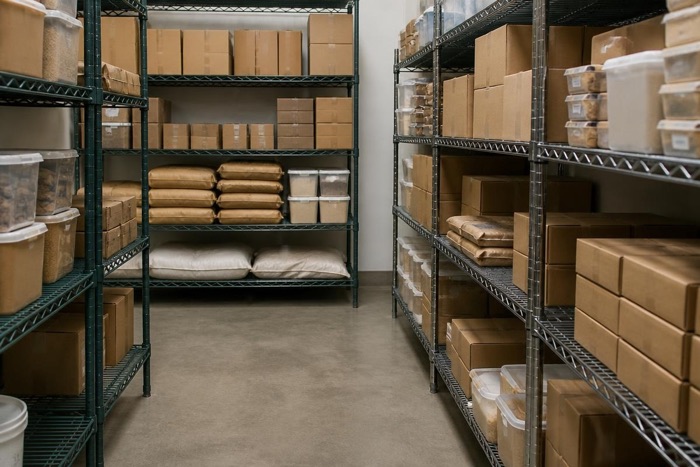
Dry store shelving
The wall side of the bottom shelf, and any corrugated cardboard sitting on the floor. Rodent harbourage and nesting material in one.
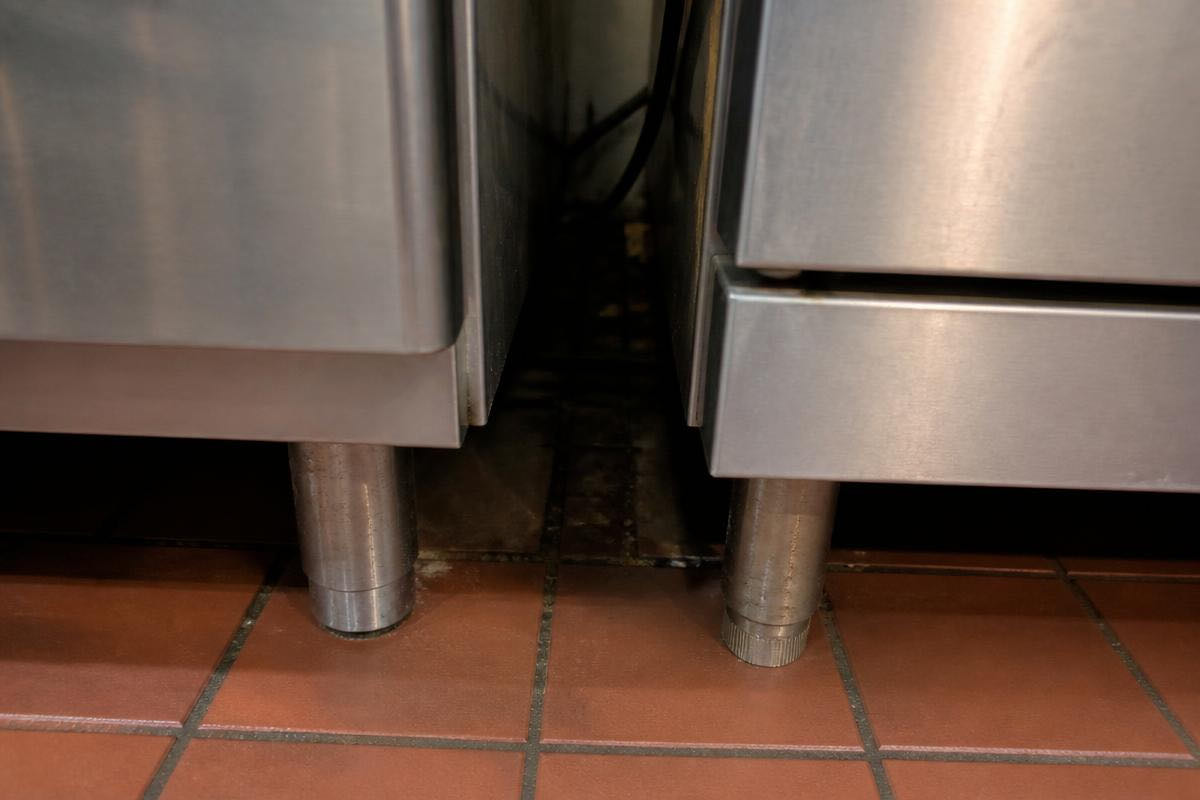
Gaps between equipment
The inch between two units on the line. Impossible to clean, easy to treat, and consistently missed.
Bars, food trucks and ghost kitchens
Not every food business is a restaurant with a back door and a dry store, and the three formats that have grown fastest in the Valley each break one assumption a standard programme makes.
A bar has less cooking but more sugar, and sugar is the harder problem. Beer lines, spirit measures, the ice well and the fruit tray produce a residue that small flies and ants find faster than anything in a kitchen. The work concentrates on the underbar and the drains rather than on food storage.
A food truck cannot be treated like a fixed building. It is small, sealed, moves between sites, parks in commissaries next to other trucks, and cannot be closed for a day. Treatment has to fit into a service window, and exclusion matters more than usual because the whole vehicle is a set of penetrations.
A ghost kitchen carries a risk the others do not: several operators sharing one building, one set of drains and one dumpster. A cockroach population in one bay is a shared problem, and a programme covering only your unit is treating a corner of it. Ask who is responsible for the common areas before you sign anything.
Bars
Underbar, beer lines, ice wells and fruit residue. Small flies and ants rather than roaches, and the drains do most of the work.
Food trucks
Service has to fit a window, and the vehicle is a set of gaps. Exclusion matters more than treatment volume.
Ghost and shared kitchens
Shared drains and a shared dumpster mean a shared population. Cover the common areas or do not bother.
Bakeries and prep sites
Flour dust and long dry storage bring stored product pests, which behave nothing like the kitchen three.
What a restaurant programme costs in Phoenix
Restaurant work is quoted after a walk-through rather than off a price list, and the reason is that two kitchens with the same seat count can need very different programmes. What follows is what actually moves the number, so you can read a quote rather than just compare totals.
Frequency does most of it. A general commercial site might be serviced monthly; a busy kitchen with an active German cockroach history usually starts fortnightly and steps down once monitoring reads clean. That initial phase is the expensive part, and a quote that skips it is quoting a maintenance price for a problem that is not yet under control.
After that it is scope. Drains and grease interceptors add work that a dry commercial unit does not have. Documentation to a standard an inspector or a franchisor will accept takes time to produce properly. And access outside trading hours has a cost, because somebody is working at two in the morning.
There is more on how commercial programmes are structured and reported on the commercial pest control page. This page is about the food-service end of it specifically.
Starting frequency
Fortnightly while a population is being brought down, monthly once it holds. The first phase costs more than the steady state.
Drains and interceptors
Treating drains is separate work from treating floors, and it is where most recurring fly problems actually live.
Documentation standard
A log an inspector or a franchisor will accept takes longer to produce than a receipt.
Access hours
Overnight and pre-open service costs more than a daytime visit, and for most kitchens it is the only workable window.
Do restaurants have to have pest control?
Strictly, no. There is no rule that says a Phoenix restaurant must hold a contract with a pest control company. What the food code governing Arizona kitchens does require is that the premises are kept free of insects and rodents, and that is an outcome rather than a method.
In practice the distinction rarely survives contact with an inspection. If pests are found, the question immediately becomes what you are doing about it, and the easiest answer is a dated record showing a programme that was already running. Owners who control pests themselves and document it honestly are complying. Owners who intend to deal with it if it ever happens usually are not, and it shows.
Two other parties often settle the question before the county does. Franchise agreements frequently specify a licensed provider and a service frequency, and some insurers ask for evidence of a programme after a claim. Check both before deciding this is optional.
Restaurant pest control questions
Do we have to take part in the grade card system?
No. Participation is decided by the person in charge before each inspection, and declining simply puts NP on the report instead of a letter. The inspection, the violations and the public record are identical either way. The only thing you are choosing is whether a grade gets attached to your name.
What is the typical cost of pest control services in Phoenix?
For a kitchen the number comes out of a site visit, not a list, because frequency and scope vary so much between two rooms with the same seat count. The honest guidance is that a site with an active cockroach history starts more often and costs more in the first two months, then settles. Ask any quote to state the starting frequency, what happens to drains, and what documentation you receive.
As a starting point, a restaurant or retail site begins in the band below. It is a starting price rather than a quote, and the paragraphs that follow are what move a particular kitchen up from it.
$300 – $600
A restaurant or retail store. This is the starting band for a food site before frequency and scope are settled.
$250 – $500
An office or small business unit, which needs less frequency and has no drains or grease to work around.
$500 – $1,500+
Multiple rooms or units, or a site where the first phase has to run fortnightly before it can step down.
How do restaurants keep roaches away?
By removing harbourage rather than by spraying more. Seal the gaps between equipment, strip and clean cooler motor housings on a schedule, keep corrugated cardboard off the floor, and treat the drains as part of cleaning rather than as plumbing. Treatment holds a line that housekeeping draws.
What is the hardest pest to get rid of in a commercial kitchen?
The German cockroach, and it is not close. It breeds indoors, hides in warm equipment voids nobody opens, and rebuilds from a small surviving population. Everything else in a kitchen is either coming in from outside or breeding in something you can physically clean.
Does one pest sighting fail our inspection?
Not automatically. What matters is where it was, whether it was live, and what could be done about it during the visit. A single insect in a non-food area with a documented programme behind it reads very differently to live activity in a prep area with no records at all.
Can you service a food truck or a commissary?
Yes, and it is a different job to a fixed kitchen. The work is mostly exclusion, because a vehicle is a set of gaps, and it has to fit a service window rather than a shutdown. Commissary sites need the shared areas covered or the trucks simply reinfect each other.
Pests are coming from the unit next door. Whose problem is it?
Practically, yours, because it is your inspection. In a shared building the population lives in the common drains, voids and dumpster area, so treating only your unit relocates it rather than removing it. Raise it with the landlord early and ask what the building-wide arrangement is.
What should we do before a service visit?
Clear access to the line, under the dish machine and the wall side of dry store shelving, and make sure someone with keys to the underbar and the roof hatch is there. The areas we cannot reach are the areas that keep the problem alive.
Related services
Commercial Pest Control
How programmes are scoped, scheduled and reported across every kind of business site. Commercial pest control.
Cockroach Control
The German cockroach in detail, and why baiting beats spraying in a kitchen. Cockroach control.
Rodent Control
Exclusion first, then trapping. What actually keeps roof rats out of a dry store. Rodent control.
Inspection coming, or a problem on the line?
Tell us the site and your trading hours. We walk it, quote the programme in writing, and work the hours your kitchen is actually closed.