Pest control in Phoenix, built around the pests that actually live here
Bark scorpions, desert subterranean termites, roof rats and monsoon mosquitoes do not behave like pests anywhere else in the country, and they do not respond to the same treatment. We treat Phoenix homes and businesses for all of them — then seal the gaps that let them back in.
Get a free quote
No obligation. We reply within 2 hours.
Pest control service in Phoenix, AZ for homes and businesses
Most people do not go looking for a pest control service in Phoenix, AZ until something has already gone wrong — a scorpion under a bath mat, mud tubes on a garage wall, scratching in the ceiling at two in the morning. At that point what you want is not a sales pitch. You want someone licensed to turn up quickly, tell you honestly what you are dealing with, and price it before they start.
That is the whole shape of what we do. We handle general quarterly protection and one-off problems, for houses and for commercial properties, across Phoenix and the surrounding Maricopa County suburbs. Every job starts with an inspection, because treating a roof rat problem the way you would treat a mouse problem wastes everyone’s time and money.
Pest control in Phoenix, AZ is also seasonal in a way it is not in cooler states. Scorpion activity climbs as the nights warm up. Termites stay active year-round but show themselves after rain. Mosquito pressure follows the monsoon. A Phoenix pest removal service that treats on a fixed script, regardless of season, will always be a step behind the pests.
Pest control services in Phoenix
10 specialty programmesEach programme is built around how that pest actually behaves in the desert. Every one links to its own page, where the detail lives.
General Pest Control
Quarterly exterior barrier plus interior spot treatment, covering the common Phoenix household pests in one programme.
Termite Control in Phoenix
Desert subterranean and drywood termites: inspection, trenching, bait stations and treatment reports.
Rodent Control in Phoenix
Roof rats, pack rats and mice. Trapping, monitoring and sealing entry points rather than just baiting.
Scorpion Control in Phoenix
Blacklight inspection, block-wall and void dusting, plus weep-screen and threshold sealing.
Cockroach Control
Gel baiting and crack-and-crevice work for German, American and Turkestan roaches.
Ant Control
Colony-level baiting for pavement, fire, carpenter and ghost ants, including irrigation and landscape trails.
Bed Bug Exterminator in Phoenix
Discreet treatment with follow-up verification visits, for homes and rentals.
Wasp & Bee Removal
Paper wasp and hornet nests, and Africanized honey bee colonies in eaves, walls and irrigation boxes.
Mosquito Control
Monsoon-season yard treatment, breeding-source reduction and larvicide for standing water.
Spider Control
Black widows and recluse spiders, with web removal and void treatment.
Run a business? See commercial pest control in Phoenix →
What separates pest control companies in Phoenix
Most quotes look similar on paper. The differences show up in what the technician does once they are at the property.
Why Phoenix properties get treated differently
Four things about Valley construction and climate change how a property has to be treated.
Block walls
The perimeter walls around most Phoenix yards are hollow. They hold heat, stay dark inside, and give scorpions and black widows a protected route around the property. Treating the house but ignoring the wall line leaves the source untouched.
Slab foundations and weep screeds
Slab-on-grade construction gives subterranean termites a direct path up through cracks and expansion joints. The weep screed gap at the base of stucco is also a standard scorpion entry point — narrow enough to look harmless, wide enough to matter.
Irrigation and mature citrus
Flood-irrigated lots and established citrus trees are why roof rats do so well in certain neighbourhoods and barely appear in newer subdivisions a few miles away. Overhanging branches touching a roofline are effectively a bridge.
Monsoon season
Summer storms leave standing water in pot saucers, blocked drains, pool covers and low ground, and mosquito numbers follow within days. Treatment during monsoon months focuses as much on removing breeding sites as on the yard barrier itself.
The pests we are called out for most in Phoenix
Knowing what you have found changes what needs to happen next. These are the ones that come up most often across the Valley.
Bark scorpions
Arizona’s only genuinely dangerous scorpion. They climb, they are active at night, and they fluoresce under UV light — which is why inspections happen after dark.
Subterranean termites
Work from the soil upward, entering through slab cracks and expansion joints. Mud tubes on foundations and walls are the usual first sign.
Roof rats
Established in the older irrigated neighbourhoods with mature citrus. They travel along fences, branches and utility lines, and enter high rather than low.
German cockroaches
Kitchen and bathroom dwellers that spread between units in multi-family buildings. Baiting works; spraying alone usually scatters them.
Black widows
Block walls, garages, pool equipment and anywhere undisturbed and shaded.
Fire and pavement ants
Mounds in irrigated turf and along walkways, often following irrigation lines.
Paper wasps
Nesting under eaves, patio covers and in irrigation boxes through the warm months.
Bed bugs
Travel-borne rather than dirt-related. Found in mattress seams, headboards and furniture joints.
Serving Phoenix and the wider Valley
We are based at 13832 N 32nd St, Suite D-141, Phoenix, AZ 85032, and we cover the city of Phoenix and the surrounding Maricopa County communities. We are open 6am to 9pm, seven days a week — so early-morning, evening and weekend appointments are genuinely available rather than theoretical.
How a job runs, start to finish
Free quote
Tell us what you are seeing and roughly where. Most problems can be scoped over the phone well enough to give you a price range before anyone visits.
Inspection
A full interior and exterior walk. We identify the species, find the entry points, and note the conditions keeping them there. Scorpion inspections are done after dark under UV.
Treatment
Targeted application plus sealing work, with a flat price agreed before we start. You will be told which areas to stay out of and for how long.
Ongoing protection
Scheduled return visits for programmes that need them, and verification visits for rodent and bed bug work.
What affects the cost of pest control in Phoenix
Across Phoenix, recurring residential pest control generally runs $40 to $100 a month, and a one-time general treatment usually falls between $110 and $300. Where any specific property lands inside those ranges comes down to five things.
Which pest
A quarterly general programme and a termite treatment are different pieces of work, with different materials and different time on site.
Property size and construction
Linear feet of foundation, wall type, number of storeys, and how much block wall is on the boundary.
How far it has progressed
Something caught in the first week costs less to resolve than an established colony.
One-off or ongoing
An initial visit is priced differently to a recurring programme, and recurring work usually lowers the per-visit cost.
Sealing work
Exclusion — sealing weep screeds, thresholds and utility penetrations — is what makes treatment hold, and it is scoped per property.
Termite and bed bug work is quoted separately after inspection, because both depend heavily on how far the problem has spread. Whatever the job, you will have the number before any work starts, and it will not change once the technician is on site unless the scope genuinely changes and you agree to it first.
Phoenix pest control questions we get asked
How much does pest control cost in Phoenix?
Expect roughly $40 to $100 a month for an ongoing plan, or $110 to $300 for a single general treatment. Your position in those ranges depends on the size of the property, which pest is involved, and whether you are on a maintenance plan or booking a single visit. Termite and bed bug treatment is quoted after inspection. Either way you get a flat price before any work starts.
How often should a Phoenix home be treated?
Quarterly service suits most Valley homes. Properties backing onto desert preserve, or in neighbourhoods with heavy scorpion pressure, often do better on a shorter cycle through the warm months when activity peaks.
Are the treatments safe around children and pets?
We use EPA-registered products applied to targeted zones rather than blanket-treating living space. Your technician will tell you exactly which areas to keep clear and for how long before each application.
How quickly can someone get out to me?
Same-day and next-day appointments are usually available across Phoenix, Scottsdale, Mesa, Chandler, Gilbert and Glendale. We take calls from 6am to 9pm, seven days a week, so you can book before work, after it, or at the weekend. Ring us and you will get an actual arrival window instead of being told to wait in all day.
Why do scorpions keep coming back after treatment?
Almost always because the entry points are still open. Bark scorpions can flatten through a gap about the width of a credit card, and hollow block walls give them a protected route around the property. Spraying alone reduces numbers for a while; sealing weep screeds, thresholds and wall gaps is what changes the picture.
Do I need a termite inspection before selling my house?
Arizona property sales commonly involve a wood-destroying insect inspection report as part of the escrow process, and lenders often ask for one. It is a separate piece of work from termite treatment — worth booking early rather than in the last week before closing.
Can I just treat it myself?
For a handful of ants or the occasional cricket, often yes. Where DIY tends to fail is with scorpions, termites and rodents, because all three are structural problems rather than surface ones — the visible pest is the symptom, and the gap or colony causing it stays untouched.
Do you treat commercial properties?
Yes — see commercial pest control in Phoenix. Restaurants, offices, warehouses, rentals and multi-family buildings, on scheduled programmes built around how the site operates and what it is inspected against.
Desert living, pest-free
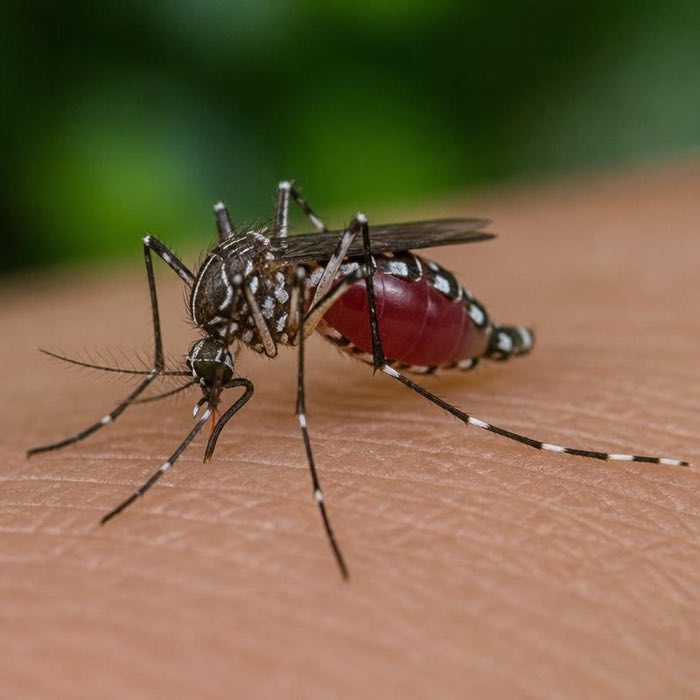
How long do mosquitoes live in your house?
A mosquito that gets indoors and finds nothing to feed on is usually dead inside a…
Read more →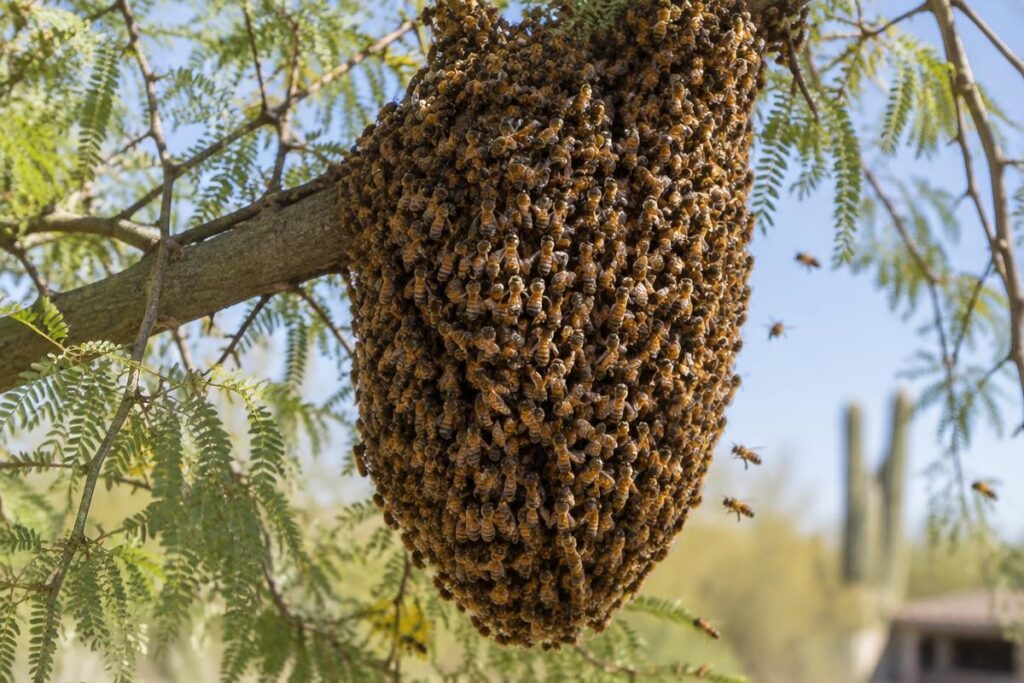
Killer bees in Arizona: same venom, different behaviour
Africanized bees reached southeastern Arizona in June 1993. Their venom is no stronger than an ordinary…
Read more →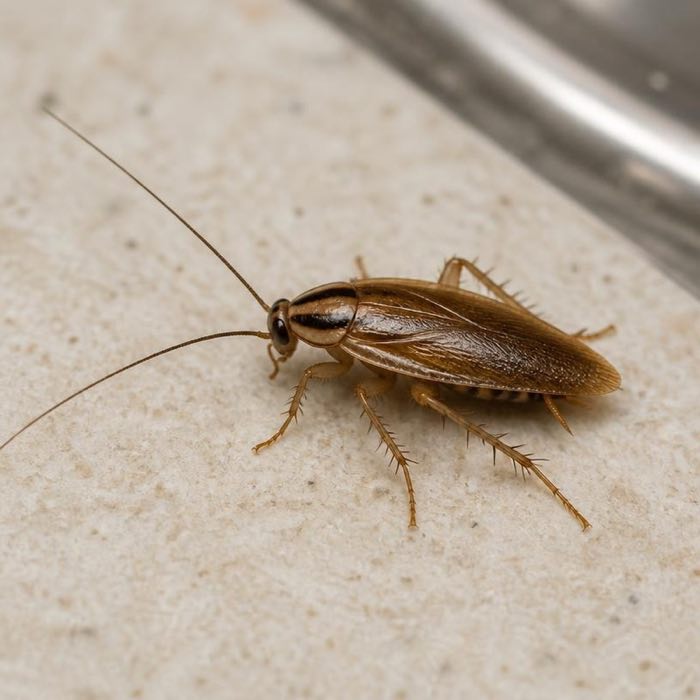
Are cockroaches dirty, and how fast do they multiply?
The disease story most people have heard is softer than it sounds - the research says…
Read more →Tell us what you have found
Describe what you are seeing and where, and we will tell you what it likely is, what treating it involves, and what it costs — before anyone comes out.